

Your visit
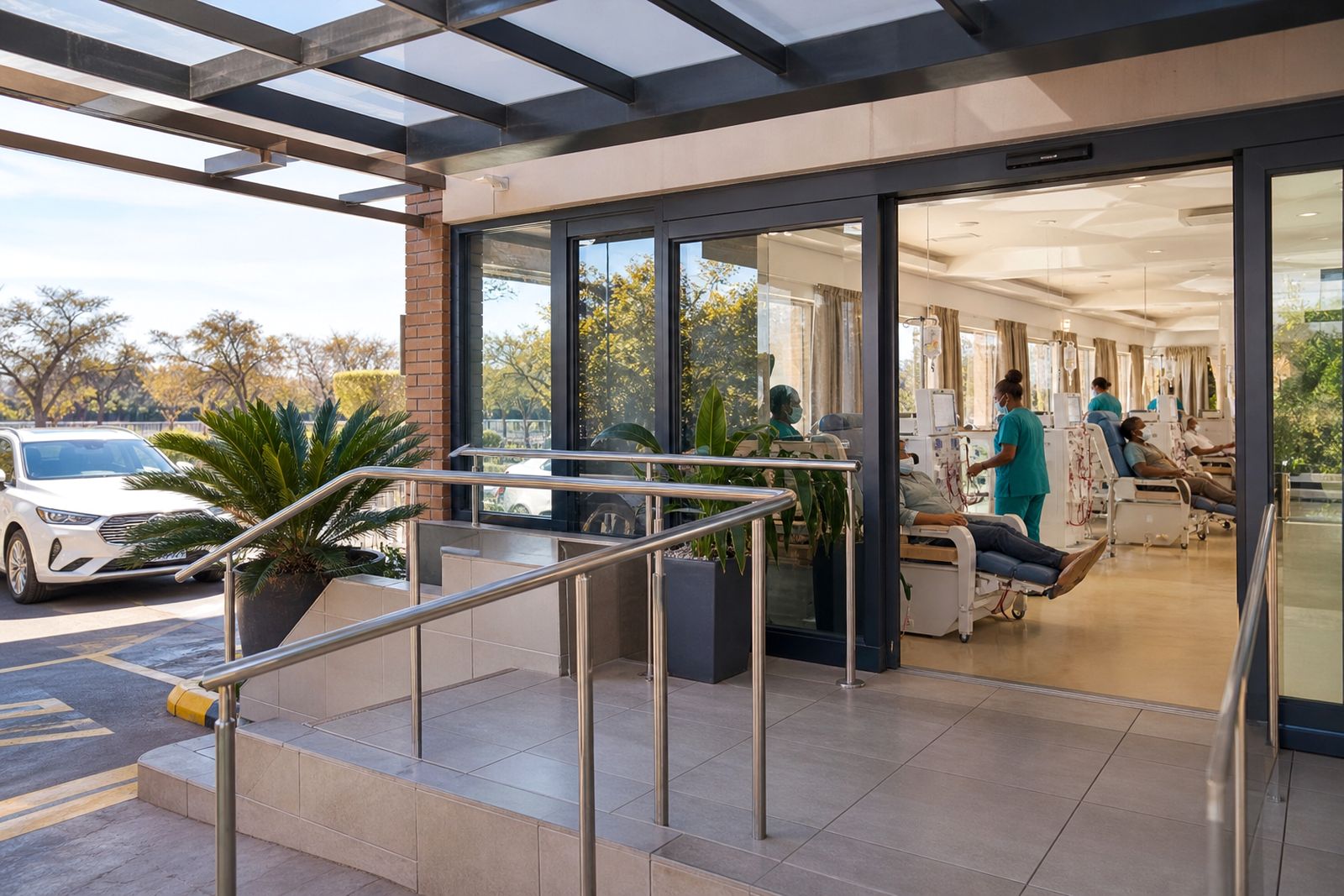
This page gives a practical overview of what to expect on a dialysis day at our outpatient haemodialysis clinic in Bedfordview. It also helps you choose the next page to read, whether you need a packing checklist, transport guidance or general information for family support.
What this section covers
Your visit starts well before you arrive for your scheduled session. Most patients want to know what the day will feel like, what they should bring, how early to leave home, and what family members should understand before drop-off or collection.
This section is here to answer those practical questions in general terms. It does not replace instructions from your doctor, renal unit or treating renal team, who decide on your treatment plan. If you have a medical concern before or after a session, speak to your renal team, and for emergencies go to the nearest emergency unit.
- Read What to bring if you want a simple checklist for documents, personal items and comfort items.
- Read Transport and parking if you need help planning your route, lift arrangements or collection times.
- Read Your first session in the guides section if you are joining by referral and want a clearer idea of your first day.
What a session day usually looks like
On a normal session day, patients arrive for their booked morning, afternoon or evening shift and check in with the clinic team. From there, the nursing team prepares the session according to the treatment plan set by the patient’s renal team and supervising nephrologist.
During the visit, there is time for the usual arrival steps, settling in, and the session itself. Some patients prefer a steady routine each week because it helps with work, transport planning and family arrangements. Others need to plan around traffic on the East Rand, school collection times or load-shedding effects at home, so a bit of forward planning helps.
Before leaving, patients usually confirm the next booked session and any practical notes for the following visit. Clinical decisions, treatment details and any changes remain with the patient’s own renal team.
What to bring and what to leave at home
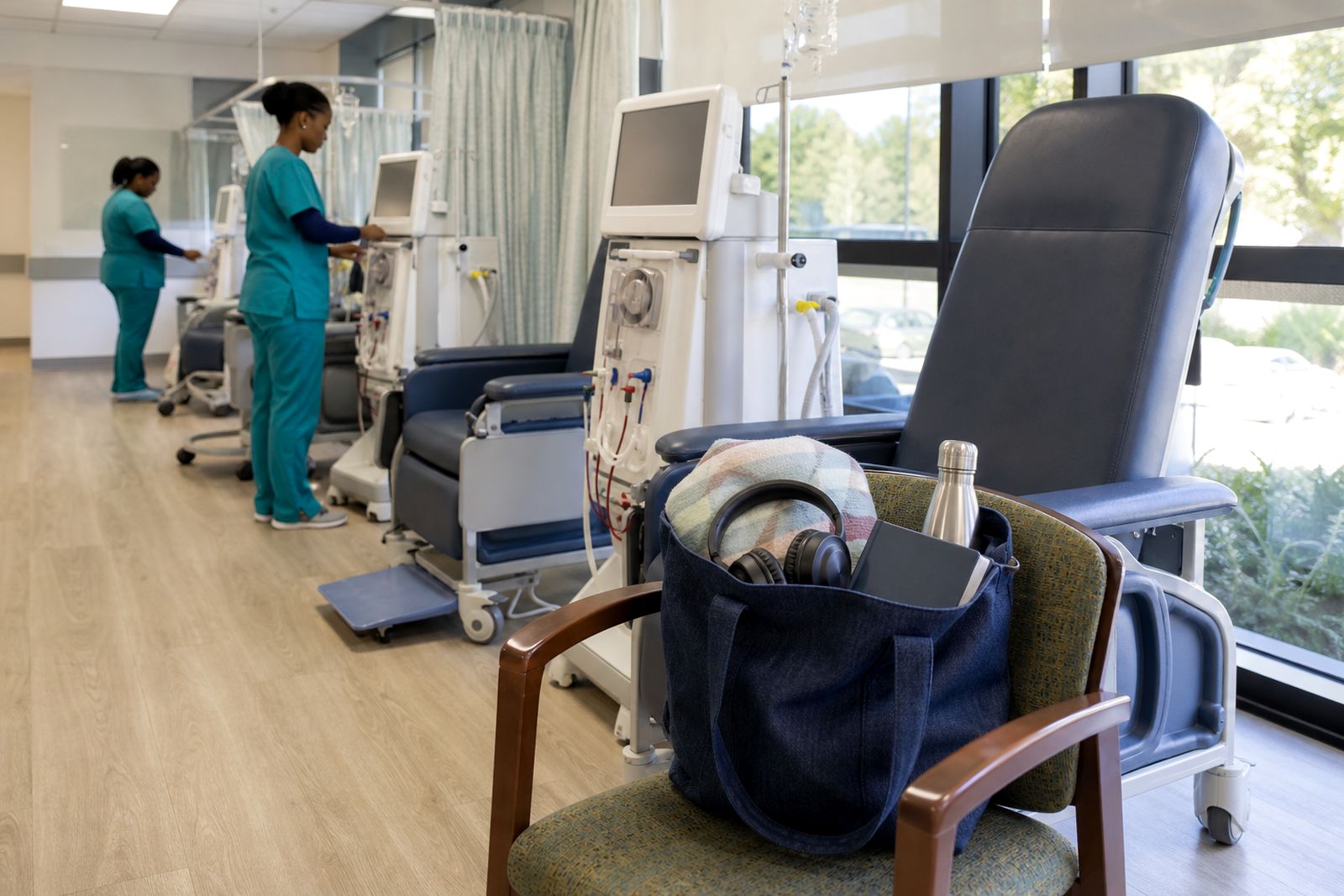
Bringing the right basics can make the day easier. Keep items together in one small bag so that arrival is less rushed, especially on early shifts or after a long drive through Bedfordview and surrounding East Rand routes.
- Your identification and any documents requested as part of your referral or account process.
- Your medical-aid details if applicable, or the account information requested for private arrangements.
- A list of current medicines if your renal team has asked you to keep one with you.
- A jersey or light blanket if you tend to feel cool during a session.
- Simple personal comfort items such as reading material or earphones if permitted by the clinic team.
Try not to bring valuables unless you need them. If you are unsure about a specific item, use the contact page enquiry form before your visit and the team can guide you on the practical side.
Choosing between the visit pages
If you are not sure which page to open next, use this quick comparison. It can save time, particularly for new patients and families who are trying to organise transport, paperwork and home timing in one go.
- Choose What to bring if your main question is, “What must I pack or carry with me?”
- Choose Transport and parking if your main question is, “How do I plan drop-off, parking and collection?”
- Choose Visiting and holidays if your main question is, “How do family plans and time away affect arrangements?”
- Choose Comfort during sessions if your main question is, “How can I make regular visits feel easier?”
Patients who are joining by referral often start with this page, then move to What to bring, and then to Your first session. Family members often find Transport and parking most useful first, because timing can be the part that causes the most stress if it is left too late.
Transport, timing and shift planning
Because sessions run in booked shifts, punctuality matters for both the patient and the clinic flow. It is wise to allow extra travel time for peak traffic around Bedfordview, the East Rand and nearby Johannesburg routes. A few extra minutes can make the start of the day calmer.
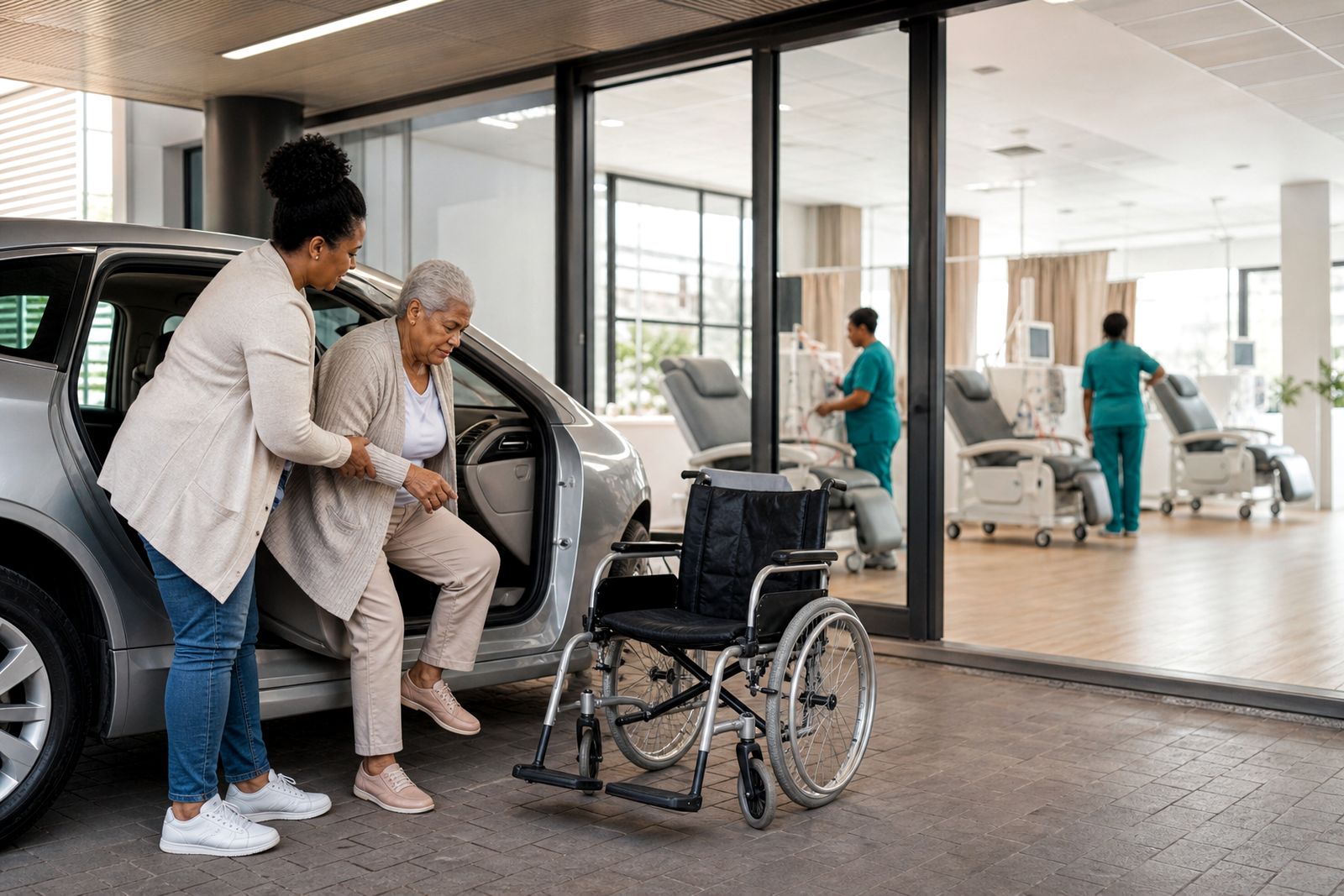
When planning transport, think about more than the drive itself. Consider building access, parking, weather, and who is collecting you afterwards. Summer rain can slow traffic quickly, and evening collection plans should be clear before the day starts.
- Confirm who is driving and who is the back-up if plans change.
- Leave earlier if your route is usually affected by school traffic or motorway congestion.
- Keep your phone charged for transport updates and collection coordination.
- If you use a lift service, make sure pick-up and return details are agreed in advance.
If a delay is unavoidable, contact the clinic through the enquiry route available on the contact page so the team can advise on the practical next step.
For family members and support people
Family support often makes regular dialysis visits easier to manage. Support people can help with transport planning, keeping referral or account documents together, and making sure the patient has the items they need for the day. Small routines help a lot, even if they seem simple at first.
It also helps when support people know which questions belong with the clinic’s practical arrangements and which must go back to the patient’s doctor or renal team. Treatment decisions, medicines, diet rules and any clinical concerns are decided by the renal team, not by general website information.
If you are helping someone prepare for outpatient haemodialysis, the best next pages are usually What to bring, Transport and parking, and the family information pages. That gives you a clearer picture of the day without guessing, and it can make first visits feel less rushed.
What our Outpatient Dialysis customers say
Verified Google reviews
Questions we get asked
How do new patients start at the clinic?
New patients join by referral from their own doctor or renal unit. Once referral information has been shared, the clinic can guide you on the practical next steps for booking and arrival.
Can family members help with visit planning?
Yes. Family or support people often help with transport, documents and timing. For treatment questions, the patient’s renal team should be the source of advice.
What if there is a medical problem on the day?
For treatment or symptom concerns, follow the guidance of your renal team. In an emergency, go to the nearest emergency unit.
Ask about a referral or a session time
Send a note through our contact form with your name, your referring doctor or renal unit and the shift you prefer, and the clinic team will contact you.
Open the contact form